12.19.2025

Latest news

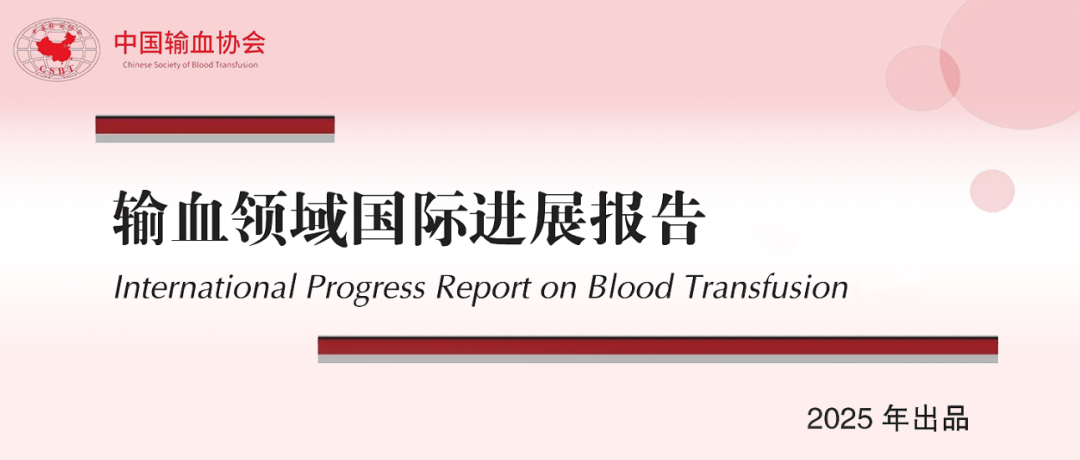
  • CSBT Release: International Progress Report on Blood Transfusion, 2025

    In order to leverage the professional expertise of all branch committees, track international cutting-edge trends, absorb advanced experiences, and promote innovation and exchange in China's transfusion field, CSBT has, since 2021, organized 24 of its branch committees to translate international progress reports in transfusion-related fields. Focusing on the latest breakthroughs, technological advances, policy and industry standards updates in global transfusion medicine, this report aims to provide a sustained platform for understanding the development of the international transfusion field.

    Under the leadership of respective chairs, each branch committee has conducted literature searches across international journals, academic websites, and authoritative publications, and organized members to carry out translation, review, and submission of the reports. As of the present date, a total of 450 articles have been translated. The CSBT Secretariat has selectively published and reported the outcomes via platforms including China Blood Transfusion, the CSBTs official website, and its official WeChat account. To continuously expand the reporting media, the CSBT Secretariat has collaborated with Health Must-Read Magazine to develop a dynamic electronic version of the International Progress Report on Blood Transfusion (2025). It is planned that one installment will be released quarterly, with a total of four installments for the year, which will be presented via the CSBTs official website, official WeChat account, and other platforms. Each report indicates the source of the original text and information about the reviewing experts, facilitating readers access to the original materials and enabling them to exchange ideas with their peers.

    This report, comprising Parts I and II , contains a total of 60 reports, covering key thematic areas including blood donation mobilization, donor services, blood screening, component preparation, blood storage, applications of AI, and optimization of blood supply. Additionally, it summarizes and interprets the latest guidelines and consensus statements issued by international organizations and relevant countries. It is hoped that these contents can serve as valuable references and sources of inspiration for practitioners, researchers, policymakers, and relevant stakeholders.

    Herein, we extend our sincere gratitude to all experts and colleagues for their dedicated efforts in the translation, review, and publication of this report. The content curation and dissemination mechanisms will be refined with the aim of positioning this report as an indispensable reference resource for professionals in the field. Moreover, valuable feedback from all readers is appreciated to improve this report.


    ad3974b3f3b6ba1bab8a2936d1938c0f.png


    Source: CSBT Secretariat;

    Translated by LIU Ziyu;

    Reviewed by ZHU Shanshan.


  • CSBT Holds an Annual Project Team Meeting on the Blue Book of Blood Services

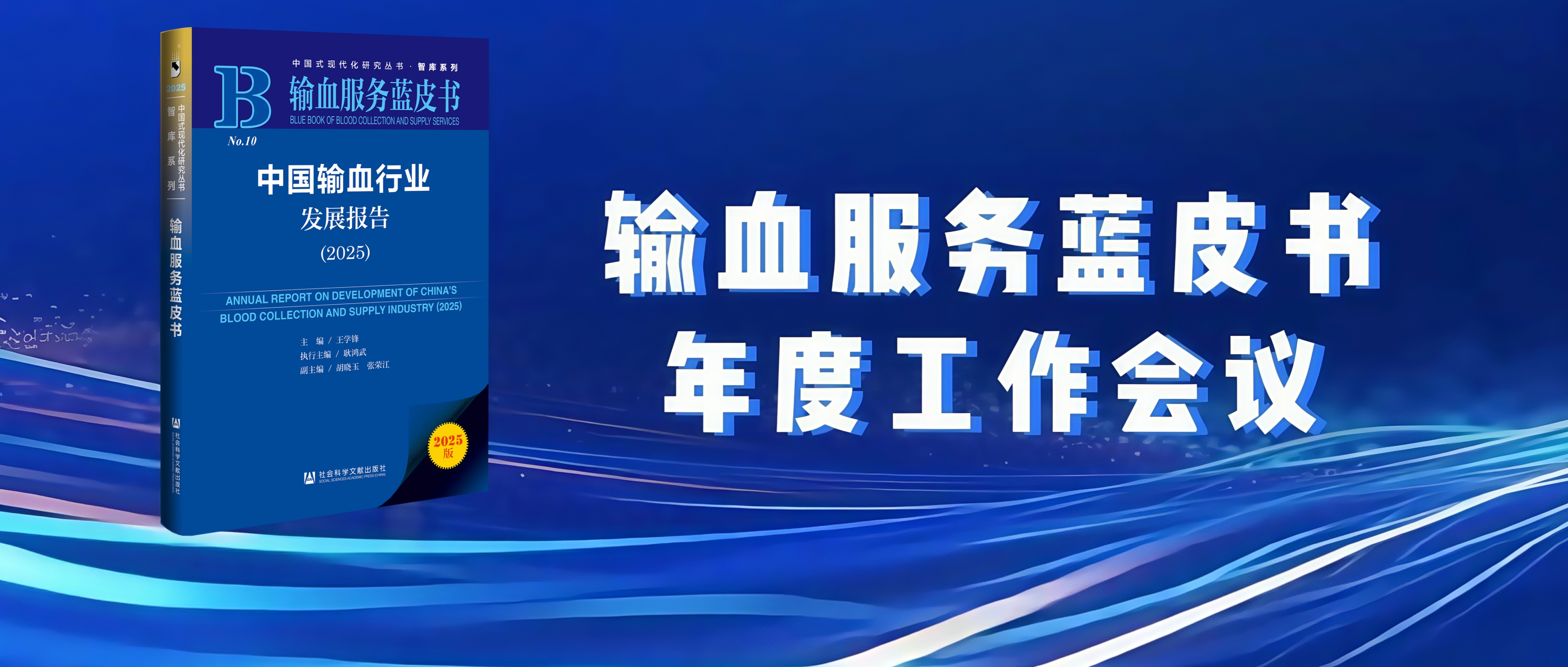
    On November 11, CSBT held an annual project team meeting on the Blue Book of Blood Service. Members of the 2025 Blue Book project team, including GENG Hongwu, HU Wei, HU Xiaoyu, LIN Junjie, LIU Jiaxin, LIU Qingning, LUO Qun, WANG Xuefeng, and ZHANG Rongjiang, attended the meeting. President ZHU Yongming, presided over the meeting.

    During the meeting, President ZHU extended his appreciation to all members for their effective coordination. He also acknowledged the dedication of the chief editors, editorial board members, and all individuals involved to the editorial development and publication of the Blue Book. The diligent efforts of the editorial team have been affirmed, and the significance of the Blue Book as an authoritative industry development report has been fully embodied. He concluded that since the release of the first volume in 2016, the Blue Book has been published consecutively for ten editions to date.

    In addition, president ZHU provided a comprehensive overview of the 2025 Blue Book, presented recommendations regarding the draft compilation plan for the 2026 edition, and clarified the responsibility of every editor. He emphasized the Blue Book should be authoritative, practical, and forward-looking, urging the team to adopt a issue-oriented approach and advance the compilation work with efficiency. At the end of the meeting, President ZHU once again expressed his gratitude to the editorial team of the 2025 Blue Book, and wished that the compilation work for the 2026 edition would proceed smoothly.

    In the meeting, the work summary of the 2025 Blue Book editorial team was presented. Chief Editor WANG Xuefeng delivered a summary report covering aspects such as the compilation workflow, data collection, and key outcomes. He reviewed the entire process of compilation, from preparation and drafting to peer review and publication, and issued the challenges encountered during the process. Executive Chief Editor GENG Hongwu focused on key tasks including publication coordination and report integration, and summarized from a professional publishing perspective. Furthermore, Deputy Secretary-General LIU Qingning delivered a summary report on the publicity and distribution, subscription management, and remuneration disbursement of the Blue Book.

    In addition, a report by Editor-in-Chief HU Xiaoyu on the outline and publishing plan for the 2026 Blue Book was presented. The delegates deliberated on each item of the compilation scheme and preliminarily identified the themes of the reports for each section as well as the key timeline. 
     

    1a09100550e0e3a35477882db2b31fd9.jpg


    Reported by the CSBT Secretariat;

    Translated by FENG Yasong;

    Reviewed by ZHU Shanshan.


  • CSBT/QM Announces the Initiation of Group Standards and Expert Consensus for 2025

    Two official announcements regarding the project initiation of group standards and expert consensus have been released by Working Party on Blood Quality Management, CSBT (CSBT/QM). Both of them underwent strict evaluation in accordance with the relevant management regulations, and were officially approved by CSBT, thereby contributing to the standardized advancement of transfusion medicine.

    On October 10, CSBT/QM issued an announcement of the 2025 Group Standard project. In accordance with the Group Standard Management Measures of CSBT (2024), CSBT/QM organized a professional evaluation by experts. Following the assessment, the initiation of the Guidelines for RhD Blood Group Detection of Red Blood Cells was approved as meeting the criteria.

    On November 5, CSBT/QM issued another announcement of the 2025 Expert Consensus projects. In accordance with the Procedures for the Initiation and Publication of Expert Consensus of the CSBT (2024), four expert consensuses, including the Expert Consensus on Clinical Diagnosis and Management of Transfusion-Associated Circulatory Overload (2025 Edition), have been approved for initiation following expert evaluation.

    The consecutive issuance of two project initiation announcements represents a key initiative by CSBT to advance standardization in the field of blood transfusion. With the gradual implementation of group standards and expert consensus, technical shortcomings and challenges in the industry will be further addressed, thereby providing robust support for the future development of transfusion medicine.


    Reported by CSBT Secretariat;

    Translated by HU Wenjia;

    Reviewed by ZHU Shanshan.

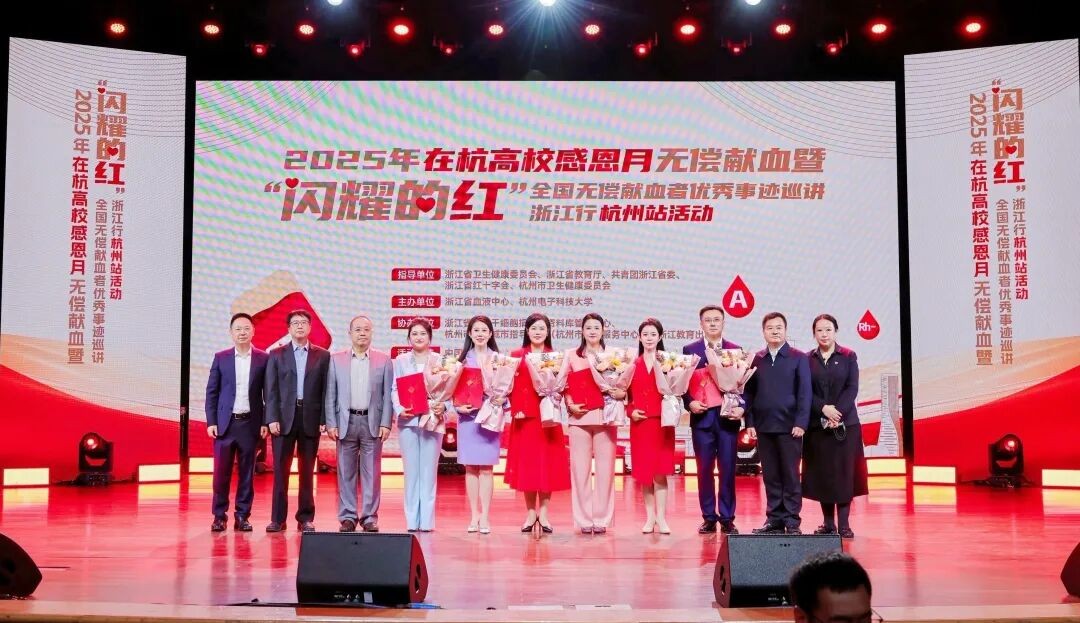
  • Brilliant Red---The National Speech Tour of Blood Donation Excellence Concludes in Zhejiang
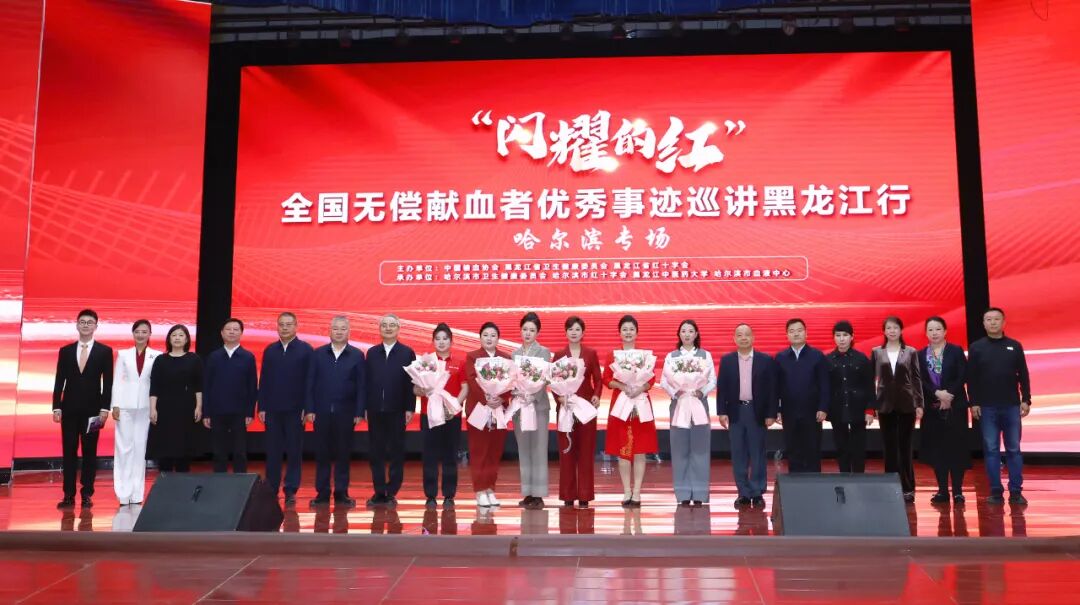
  • Brilliant Red -The National Speech Tour of Blood Donation Excellence Concludes in Heilongjiang

    From October 23 to 26, 2025, the Brilliant Red National Speech Tour of Blood Donation Excellence successfully concluded in Harbin, known as the Ice City. The tour in Heilongjiang Province was officially launched in Jiamusi, subsequently held in Qiqihar, and culminated in Harbin.


    On October 24, the inaugural event was hosted at Jiamusi Workers' Cultral Palace, jointly organized by multiple departments, attracting over 500 representatives from diverse fields. During the opening ceremony, certificates of honor were conferred upon representatives of blood donors with more than 100 donations, and students from Jiamusi University paid tribute to the blood donation pioneers through a poetry recitation entitled The Direction of Love. On October 25, the second stop of the tour was held at Qiqihar Medical University, with nearly 300 faculty members, students, and relevant representatives in attendance. Furthermore, the college issued a blood donation initiative in advance. The leadership team of the School of Medical Technology took the lead in responding, and faculty members and students participated. From October 22 to 25, a cumulative 12,600 milliliters of blood was collected from 53 donors. Following the blood donations, the students voluntarily engaged in subsequent promotional activities. On October 26, the closing ceremony was held at Heilongjiang University of Chinese Medicine, with approximately 1,000 attendees in attendance. CSBT along with relevant provincial and municipal officials, attended the event. Following the ceremony, officials from the Provincial Health Commission took lead in blood donation. Students from Heilongjiang University of Chinese Medicine participated actively, resulting in 58 donations and a total blood collection of 13,600 milliliters


    This lecture tour, leveraging approaches such as story-sharing and on-site blood donation, facilitated coordinated engagement among government agencies, universities, blood establishments, and other key stakeholders. It not only highlighted the dedication of voluntary blood donors but also encouraged broader public participation in blood donation, thereby infusing new momentum into the blood industry in Heilongjiang Province.


    Reported by the CSBT Secretariat   

    Translated by SHI Lili;  

    Reviewed by ZHU Shanshan.

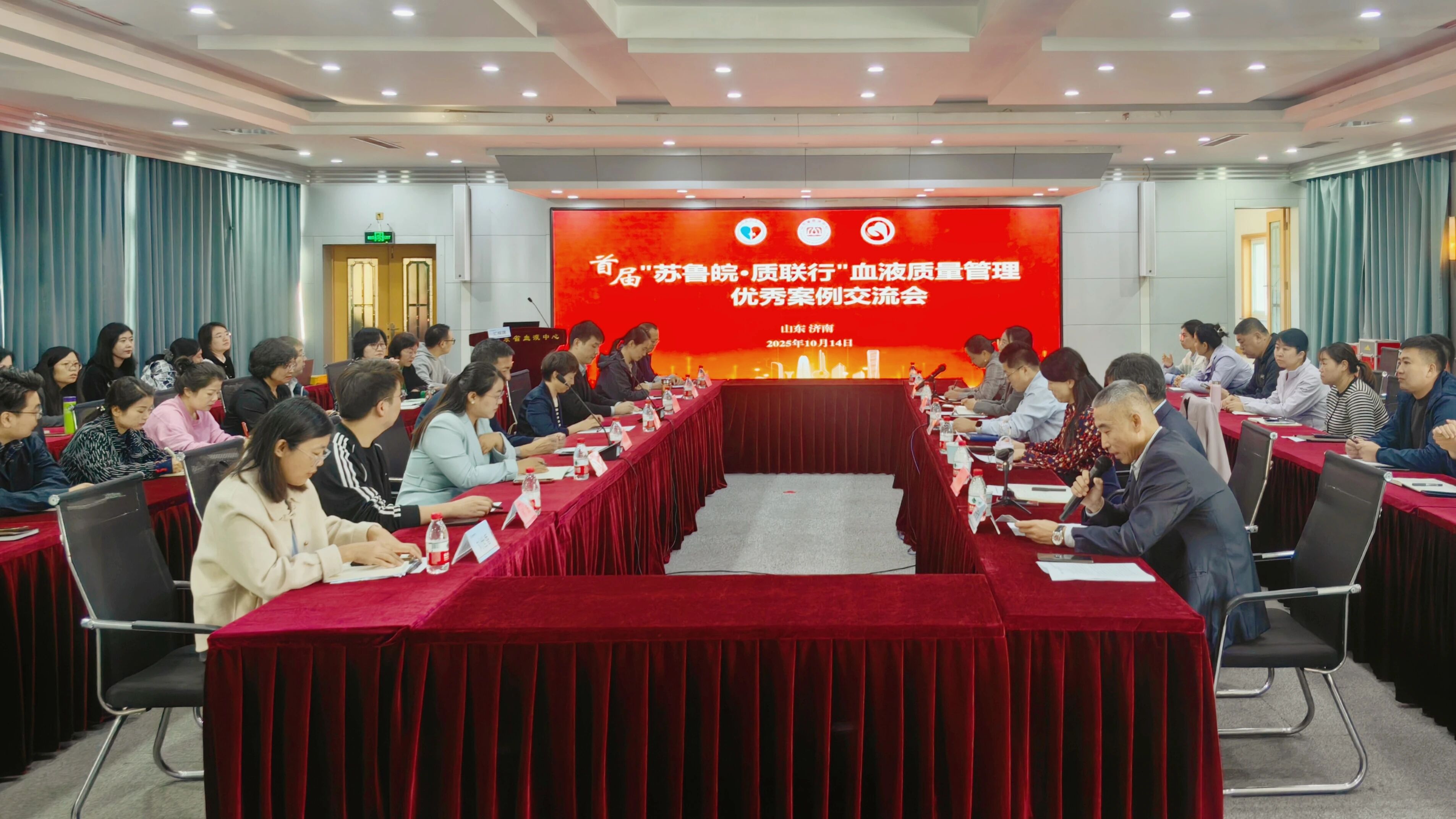
  • The 1st Su-Lu-Wan • Quality Alliance Symposium on Excellent Cases of Blood Quality Management Held in Jinan

    On October 14, the 1st Su-Lu-Wan • Quality Alliance Symposium on Excellent Cases of Blood Quality Management was held at Shandong Blood Center. During the symposium, experts from Jiangsu, Shandong, and Anhui provinces conducted case sharing and in-depth discussions focusing on the enhancement of blood quality.  

    In November 2024, blood centers from the 3 alliance provinces signed a co-construction agreement in Yangzhou, reaching a consensus on brand co-creation, case sharing, talent co-cultivation, and standard co-establishment. As the first activity under the framework, 6 cases were selected through a screening process for experience exchange. This symposium signifies the advancement of regional blood quality collaboration among the three provinces, transitioning from planning to implementation.

    During the meeting, six representatives presented excellent cases encompassing AI-enabled quality management, intelligent cold chain and UAV transportation, intelligent donor recruitment, refined blood preparation and intelligent-integrated logistics. Moreover, they leveraged innovative practices such as AI-driven intelligent system construction and drone-based solutions to address blood supply challenges in remote areas, demonstrating the cutting-edge explorations of the three provinces. Additionally, attending experts reviewed each case for its authenticity, practicality, and replicability, acknowledging the highlights while providing optimization recommendations.

    Subsequent to this meeting, the Su-Lu-Wan Quality Management Innovation Case Compilation will be issued. It will serve as the first internal learning material for blood establishments in the three provinces, aiming to translate experiences into practice. Moving forward, the three provinces will continuously explore novel pathways for blood quality collaboration, striving to build a national demonstration model for regional blood quality collaboration and provide a replicable solution for the blood industry. 


    e233e8c9c09fab6095a12ec320b92e4f.jpg


    Reported by Fujian Blood Center;

    Translated by ZHU Shengjiang;

    Reviewed by MA Ling, ZHU Shanshan.


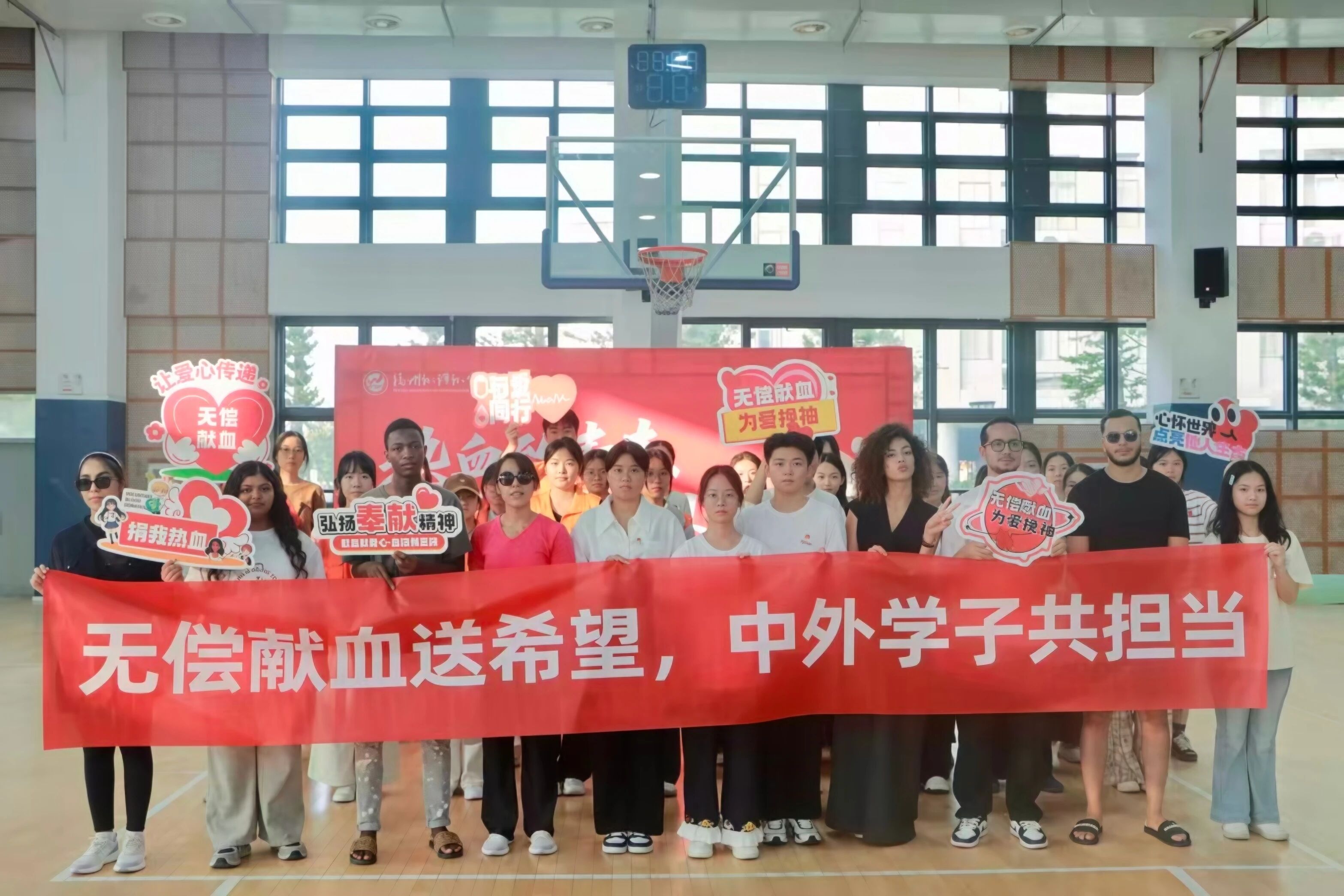
  • The Voluntary Blood Donation Activity Held in Fuzhou University of International Studies and Trade

    On October 14, the voluntary blood donation activity named China Red, Sincere Blood was carried out in Fuzhou University of International Studies and Trade(FUIST). A total of 242 domestic and international teachers and students participated in this event.

    This event has demonstrated notable appeal to participants. On site, under the guidance of volunteers and medical staff, donors registered, underwent physical examinations, and donated blood in an orderly manner. During this event, FUIST, together with Fujian Blood Center, prepared exquisite souvenirs for each blood donor.

    NING Weiqiang, Secretary of the Communist Youth League Committee of FUIST, said “A total of 242 donations with a total volume of approximately 63,000 mL have refreshed the single-day blood donation record at our university. This is not only a gift to the motherland on its 76th birthday, but also a relay of life that transcends nationality and culture. We have noticed that a growing number of young students from FUIST are contributing to society through voluntary blood donation, volunteer services, and other practical actions, thereby writing a youthful footnote to this endeavor. ”

    In recent years, FUIST has continuously deepened the development of the Second Classroom. With volunteer service practice as a core measure, FUIST has integrated into its Comprehensive Ideological and Political Education framework, advancing the construction of an Education + Service volunteer platform for all students. This effort aims to assist students in seizing their individual and social values, as well as empowering cultural understanding and cooperation, thereby demonstrating the responsibility of youth.


    2cf930ffbdbc8a236816d10eb8dea698.jpg


    Reported by Fujian Blood Center;

    Translated by LI Wanli;

    Reviewed by MA Ling, ZHU Shanshan.


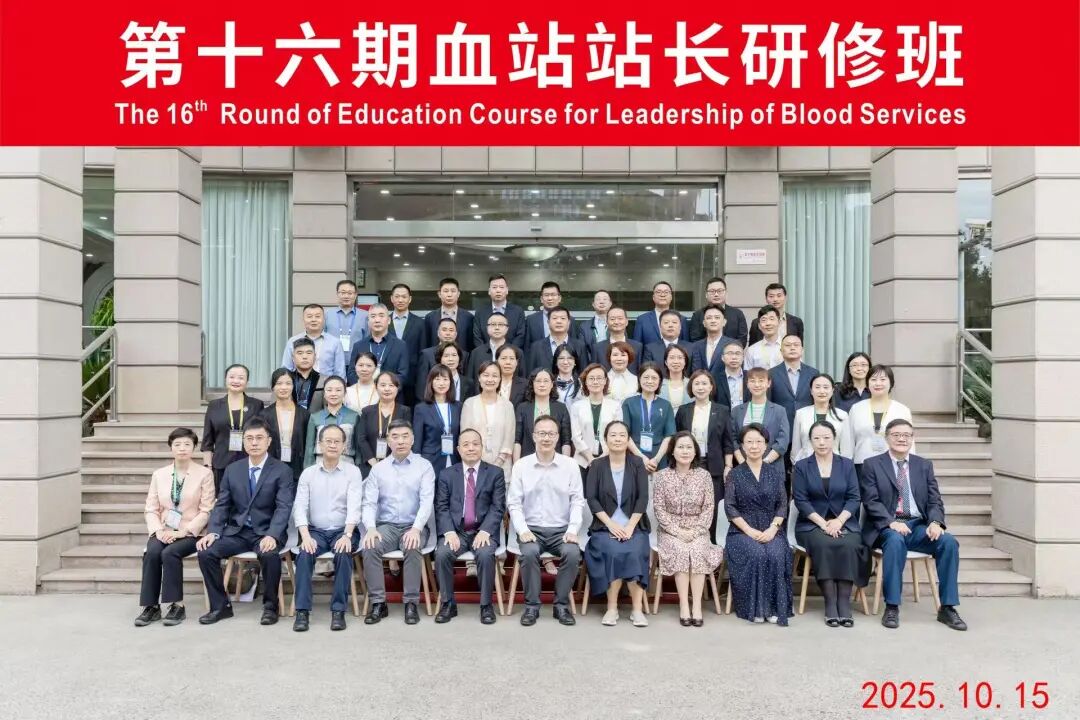
  • The 16th Round of Education Course for Leadership of Blood Services Held in Shanghai

    From October 15 to November 1, 2025, the 16th Round of Education Course for Leadership of Blood Services (ECLBS) was held in Shanghai. This course encompassed 23 key sessions, 8 extended sessions, and 16 supplementary educational activities, with 28 experts engaged in instruction. The training modalities included field visits, project-based research, and achievement presentations. A total of 43 participants were trained, hailing from 7 blood centers and 36 regional blood stations across 19 provinces nationwide.

    On October 15, the opening ceremony launched in Shanghai. DI Jianzhong, Deputy Director of the Shanghai Municipal Health Commission; LENG Tingting, Director of the Blood Management Division under the Medical Emergency Department of the National Health Commission; ZHU Yongming, President of CSBT; HE Tao, Chair of the Management Committee of the 16th ECLBS; ZHANG Xi, Director of Shanghai Blood Center; and LIN Junjie, Secretary of the Party Committee of Shanghai Blood Center, along with other distinguished leaders, attended the opening ceremony.

    On behalf of CSBT and as the ECLBS initiator, President ZHU conveyed his gratitude to the leaders in attendance, as well as all participants and fellow professionals.

    On November 1, this 18-day course concluded successfully in Shanghai. At the closing ceremony, leaders and representatives of the former class presidents of ECLBS presented certificates to the participants. Furthermore, the Outstanding Question Award and the Most Proactive Question Award were conferred, and certificates of appreciation were awarded to the class committee members.

    Since the inauguration of its first program in 2008, ECLBS has successfully delivered 16 rounds, with a total enrollment of 782 participants and 773 completers. The program completers are now affiliated with blood establishments and blood transfusion research institutes across 31 provinces nationwide.


    Reported by Shanghai Blood Center;

    Translated by ZHU Rui;

    Reviewed by ZHU Shanshan.

  • The Intercity Support for A Patient with Rare Blood Type

    During the Mid-Autumn Festival and National Day holiday, an intercity life relay took place in Jiangsu Province. On October 6, Jiangsu Blood Center(JSBC) received a request for assistance from Lianyungang. A 75-year-old female patient with severe anemia caused by MDS required urgent blood transfusion. However, this patient had a very rare Fya- blood type, which accounts for about 0.3% of the Chinese population. Furthermore, she had high-frequency antibodies, making blood matching extremely challenging.

    After receiving the call, JSBC promptly activated contingency mechanism. Immunohematology Reference Laboratory successfully matched two units of frozen blood products; Blood Supply Department managed the entire process of blood allocation; and Blood Component Preparation Department completed the blood preparation. By 11.00 a.m., the blood was successfully handed over to the retrieval vehicle. On the afternoon of the same day, the patient was successfully transfused and gradually stabilized.

    This successful intervention was attributed to the sustained investment of JSBC in the development of a rare blood type registry over the past years. As one of the leading entities, JSBC has systematically carried out rare blood type screening, testing, and registration, and provided multiple cross-regional supports for clinical blood use.

    To advance the integration and sharing of rare blood type resources, JSBC convened the Symposium on the Construction of Rare-Typed Blood Bank in the city of Suqian in September 2025. The initiative aimed to establish a unified rare blood type donor registry, and construct a collaborative platform linking the Yangtze River Delta region. Therefore, the capacity for contingency allocation and precision supply of rare blood type resources could be enhanced.

    Behind each unit of rare blood lies the potential to sustain a precious human life. JSBC urges more citizens to engage in voluntary blood donation and undergo blood type screening. Let us build a reserve for patients with rare blood types and pass on hope.


    image.png


    Reported by the CSBT Secretariat;

    Translated by ZHOU Yanjun;

    Reviewed by MA Ling, ZHU Shanshan.


  • About CSBT